
 Français
Nous proposons différents types de cellules, de batteries et de solutions de systèmes de stockage d'énergie.
Pour toute question concernant nos produits, veuillez nous contacter et nous vous répondrons dans les 24 heures.



Nous proposons différents types de cellules, de batteries et de solutions de systèmes de stockage d'énergie.
Pour toute question concernant nos produits, veuillez nous contacter et nous vous répondrons dans les 24 heures.
Cellules prismatiques au phosphate de fer lithié (LFP) Les batteries sont devenues la principale source d'énergie pour les véhicules électriques modernes, grâce à leur sécurité exceptionnelle, leur longue durée de vie, leurs performances stables et leur coût avantageux. Parmi les modèles les plus utilisés, les cellules LFP 3,2 V 100 Ah et 3,2 V 102 Ah se distinguent pour les véhicules électriques légers, les véhicules utilitaires et les packs de batteries auxiliaires. Bien qu'elles partagent la même tension nominale, de subtiles différences de taille, de performances électriques, d'adaptabilité à la température et de durée de vie les rendent adaptées à différents scénarios d'utilisation des véhicules électriques. Ce guide propose une comparaison approfondie afin d'aider les constructeurs de véhicules électriques, les concepteurs de packs et les utilisateurs à choisir la cellule optimale.
Aperçu général et principaux paramètres physiques
Ces deux cellules sont des cellules LFP prismatiques à coque en aluminium développées par Gotion High-Tech, conformes aux normes de sécurité courantes pour les batteries de véhicules électriques, notamment GB/T 31484, GB/T 31485 et GB/T 31486. Elles présentent une tension nominale uniforme de 3,2 V et une plage de tension de coupure de charge/décharge de 2,0 V à 3,65 V (coupure à 1,8 V pour une décharge en dessous de 0 °C). Leur principale différence réside dans leurs dimensions, leur poids et leur agencement général, des paramètres qui influent directement sur l'optimisation de l'espace dans le pack batterie des véhicules électriques.
Cellule LFP 3,2 V 100 Ah (Modèle : IFP-27175200A-100Ah)
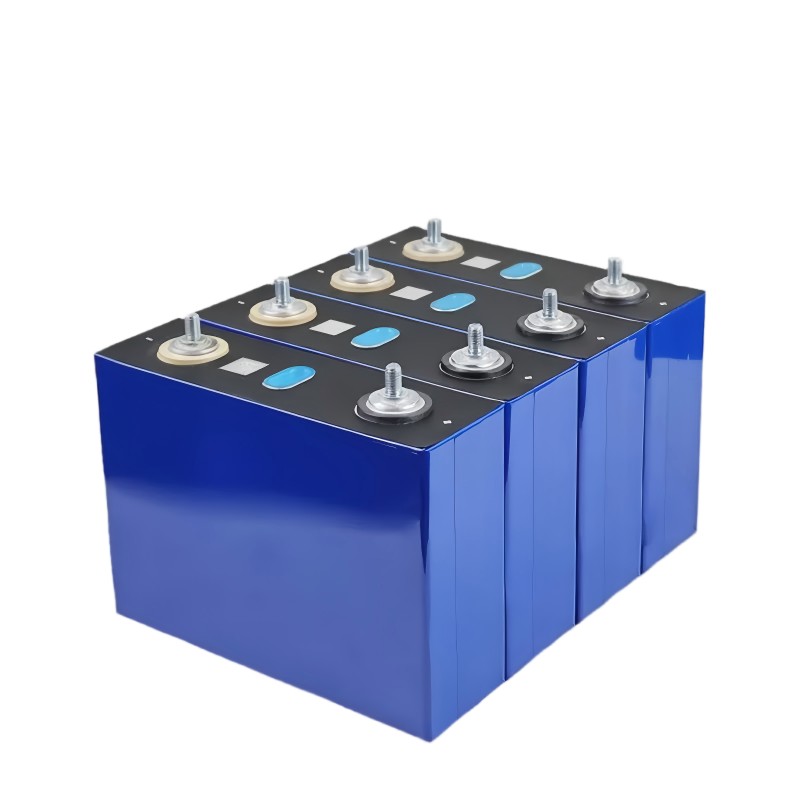
Capacité nominale: 100 Ah (testé à 25 ± 2 °C, 0,5 °C, état de cellule neuf)
Dimensions: (27,5±0,8) mm × (175±0,6) mm × (200,4±0,6) mm (film bleu et isolation compris)
Poids: 2070 g ± 60 g
Caractéristique structurelleConception élancée et haute, épaisseur modérée, bonne rigidité générale sous une force de compression de 30 kgf. Il s'agit d'une cellule prismatique grand format classique, largement utilisée dans les véhicules électriques de tourisme et les véhicules logistiques traditionnels.
Cellule LFP 3,2 V 102 Ah (Modèle : IFP50160116A-102Ah)
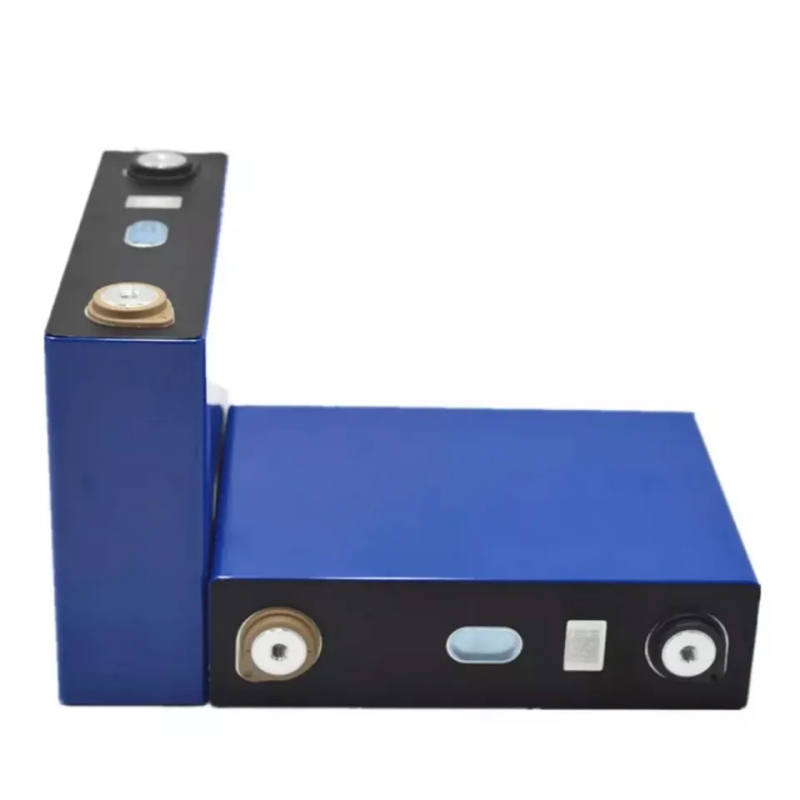
Capacité nominale: ≥102Ah (testé à 0,2C)
Dimensions: 49,9±0,5 mm × 160±0,5 mm × 118,5±0,5 mm (film extérieur et bornes compris)
Poids: 1970 g ± 30 g
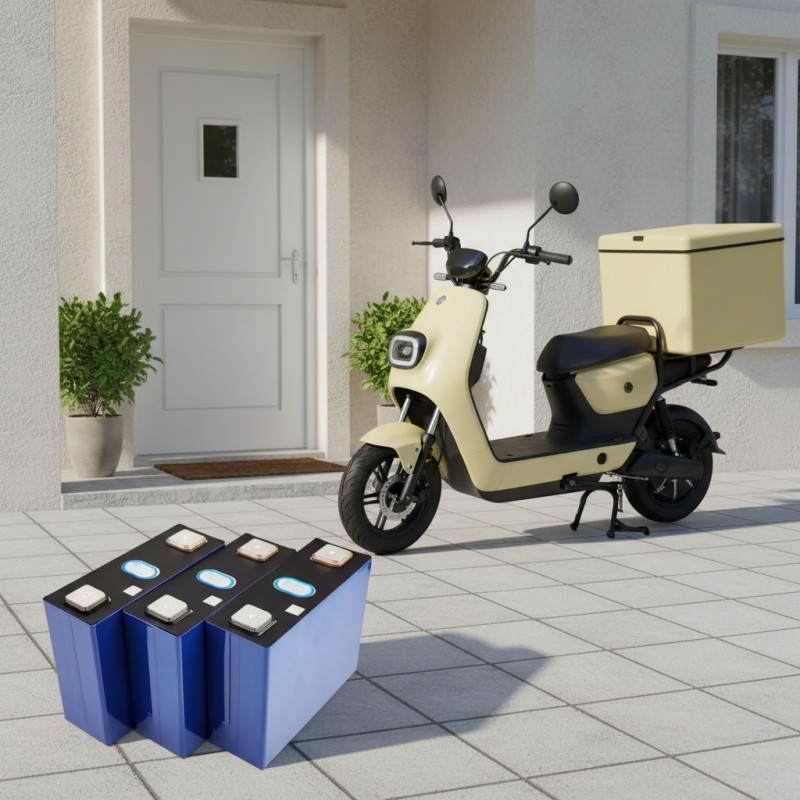
Caractéristique structurelleConception compacte et compacte, faible hauteur et forte épaisseur. Cette structure favorise l'empilement modulaire, idéal pour les batteries hautement intégrées des véhicules électriques légers et des véhicules électriques à deux ou trois roues de nouvelle génération.
Différence physique cléLa cellule de 100 Ah est plus haute et plus fine, tandis que le modèle de 102 Ah est plus court et plus épais, avec un poids unitaire plus léger. Pour la conception de batteries de véhicules électriques, la version 100 Ah convient aux châssis longs et étroits, tandis que la cellule de 102 Ah optimise l'espace pour les châssis compacts.
Comparaison des performances électriques
Les indicateurs électriques tels que la résistance interne, le taux de charge/décharge et les performances à basse température déterminent la puissance de sortie, l'expérience de conduite et l'adaptabilité environnementale des véhicules électriques.
Résistance interne
3,2 V 100 AhRésistance interne en courant alternatif (1 kHz) : 0,45 ± 0,15 mΩ ; résistance interne en courant continu < 1,5 mΩ (5 %–50 % d'état de charge, décharge à 3C pendant 30 s). Résistance interne stable à des vitesses de charge/décharge moyennes et élevées, avec des performances constantes lors de cycles de charge/décharge prolongés.
3,2 V 102 AhRésistance interne en courant alternatif : 0,27 mΩ à 0,4 mΩ ; résistance interne en courant continu ≤ 1,5 mΩ (50 % de l’état de charge, 25 ± 2 °C). Une résistance interne globale plus faible entraîne une chute de tension moindre lors de la décharge à courant élevé et un rendement de puissance plus élevé.
Capacité de charge et de décharge
Performances de charge
Cellule de 100 AhCourant de charge standard : 0,5 C ; courant de charge continu maximal : 1 C (20–45 °C) ; courant de charge pulsé maximal : 3 C (durée) < 30s, SOC < 80 %). À 0–10 °C, le courant de charge durable chute à 0,2 C.
Cellule 102AhCompatible avec la charge rapide par paliers et ajustement du courant en fonction de la température. La charge est interdite en dessous de 0 °C ; 0,1 C entre 0 et 5 °C, jusqu’à 0,5 C entre 25 et 45 °C. La température de charge maximale atteint 55 °C, avec une tolérance accrue aux hautes températures.
Performances de décharge
Cellule de 100 AhCourant de décharge standard : 0,5 C ; courant de décharge continu maximal : 4 C ; courant de décharge pulsé maximal : 5 C (durée) < 60 s, SOC > 40 %). Il supporte une décharge stable de -30 °C à 45 °C, avec une excellente résistance aux très basses températures.
Cellule 102AhLa plage de températures de décharge s'étend de -30 °C à 60 °C, avec une limite supérieure plus élevée. Sa capacité de rétention à basse température est supérieure ou égale à 60 % de la capacité nominale à -10 °C, répondant ainsi aux besoins en énergie des véhicules électriques légers dans les régions froides.
Rétention de capacité à basse température
Les performances à basse température sont essentielles pour les véhicules électriques dans les climats froids :
100 Ah0 °C (0,5 °C) : capacité ≥ 85 % ; -10 °C : ≥ 75 % ; -20 °C : ≥ 70 % ; -30 °C : ≥ 55 %. Elle conserve une capacité utile à des températures extrêmement basses.
102 Ah-10 °C (décharge à 1 C) : capacité ≥ 60 %. Ses performances à basse température sont fiables pour les trajets quotidiens, mais légèrement inférieures à celles du modèle 100 Ah à des températures inférieures à -20 °C.
Cycle de vie et vie calendaire
L'autonomie de la batterie influe directement sur les coûts d'entretien et la valeur résiduelle du véhicule électrique. Les deux types de cellules utilisent la chimie LFP, offrant une longue durée de vie, mais diffèrent selon les normes de test de cyclage.
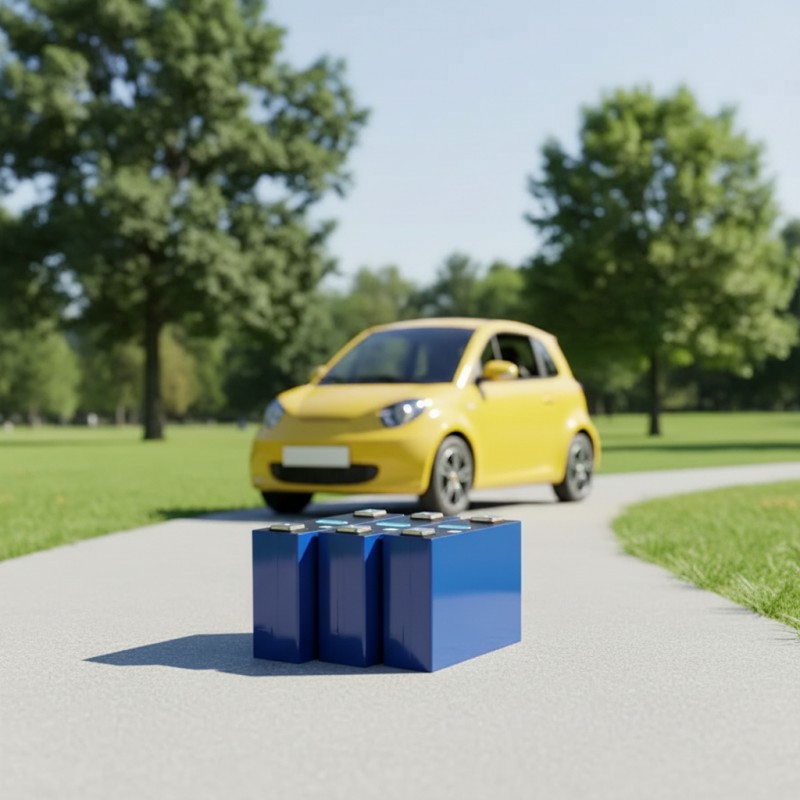
3,2 V 100 Ah
Durée de vie standard: 4000 cycles (25±2°C, 0,5C/0,5C, 100% DOD) jusqu'à ce que la capacité diminue à 80% de la valeur nominale.
Durée de vie en cycle à haute température: 1500 cycles (45±2°C, 0,5C/0,5C, 100% DOD).
Vie du calendrier: ≥10 ans (température de stockage) < 30°C).
3,2 V 102 Ah
Durée de vie normale en cycle de température: 1500 cycles (25°C, 0,5°C/0,5°C) à 70 % de rétention de capacité.
Durée de vie en cycle à haute température: 1000 cycles (35°C) à 70% de rétention de capacité.
Vie du calendrier: 5 ans (25°C, 50% SOC, 70% de rétention de capacité) .
RésuméLa cellule de 100 Ah offre un net avantage en termes de durabilité à long terme, ce qui la rend idéale pour les véhicules électriques nécessitant une longue durée de vie, tels que les véhicules utilitaires et les flottes de véhicules. La cellule de 102 Ah, quant à elle, est conçue pour les applications à cycle court et économiques.
Densité énergétique et production d'énergie
3,2 V 100 AhÉnergie d'une seule cellule = 3,2 V × 100 Ah = 320 Wh. Poids : 2070 g, densité énergétique massique env. 154,6 Wh/kg.
3,2 V 102 Ah: Énergie d'une seule cellule = 3,2 V × 102 Ah = 326,4 Wh. Poids : 1970 g, densité énergétique massique ≥ 168 Wh/kg.
La cellule de 102 Ah offre une énergie unitaire légèrement supérieure et une densité énergétique massique plus élevée. Pour les véhicules électriques recherchant une plus grande autonomie pour un poids limité, le modèle 102 Ah offre de meilleures performances d'autonomie à poids de batterie égal. La cellule de 100 Ah présente une densité énergétique volumique stable, adaptée aux modèles disposant d'un châssis suffisamment spacieux.
Scénarios de sécurité, de stockage et d'application
Performances de sécurité
Les deux cellules réussissent des tests de sécurité rigoureux, notamment la surcharge, la décharge excessive, le court-circuit, l'extrusion, l'acupuncture, la chute et l'immersion dans l'eau de mer, sans incendie, explosion ou fuite de liquide pendant les tests, se conformant pleinement aux réglementations de sécurité des batteries de véhicules électriques.
Exigences de stockage
100 Ah: Température de stockage optimale 0–30°C (5%–50% SOC); taux d'autodécharge sur 28 jours ≤4%.
102 Ah: Plage de stockage -30°C ~ 45°C (30%–50% SOC); taux de récupération de capacité à température ambiante sur 28 jours ≥96% .
Scénarios d'application recommandés pour les véhicules électriques
Choisissez une cellule LFP 3,2 V 100 Ah si:
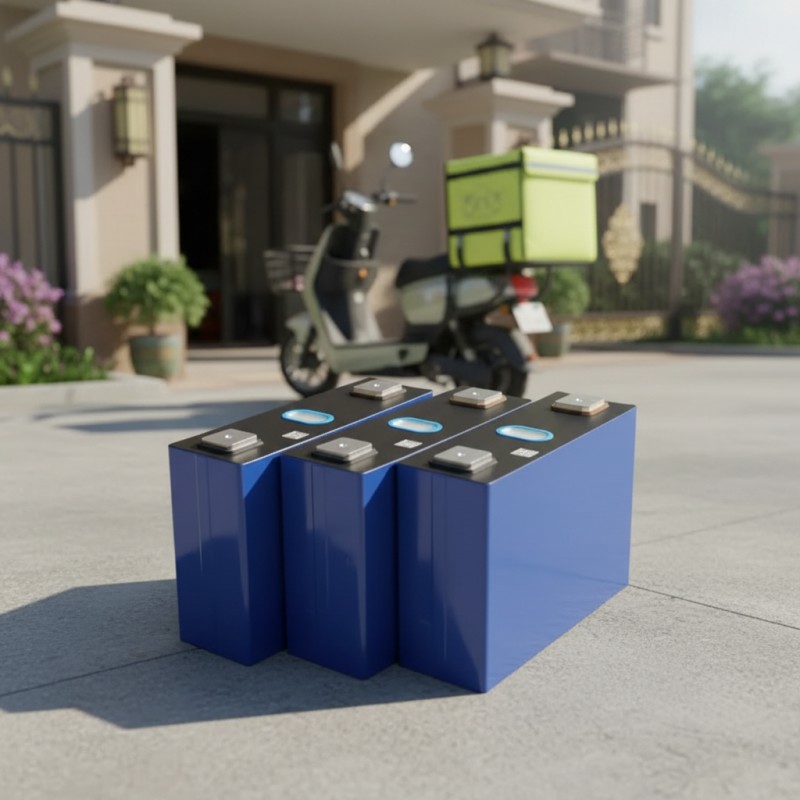
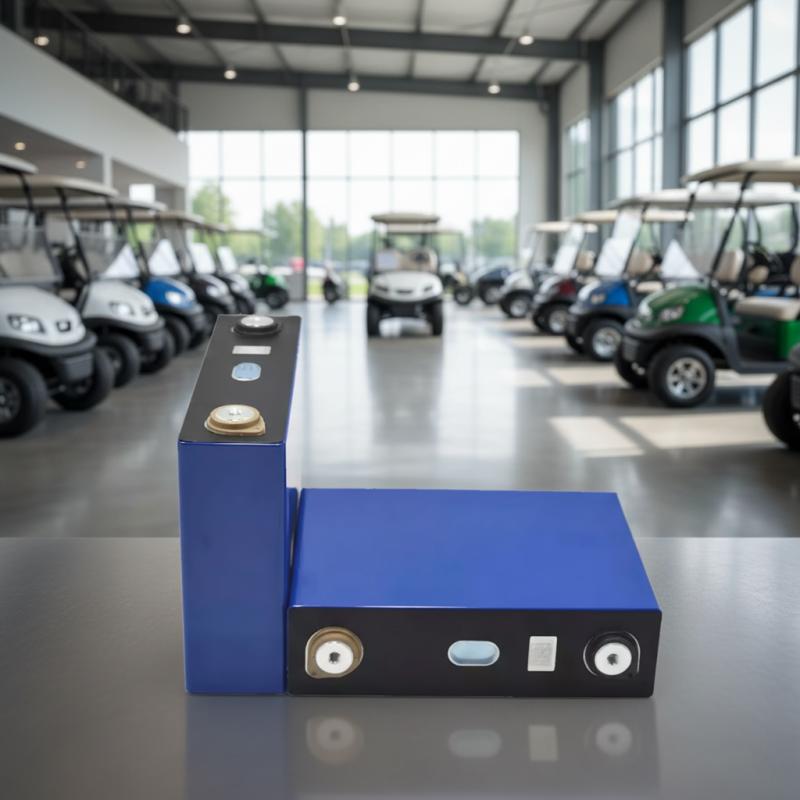
Fabrication de véhicules électriques de tourisme, de véhicules commerciaux lourds et de camions logistiques qui exigent une longue durée de vie (8 à 10 ans).
Véhicules fonctionnant dans des régions ultra-froides (en dessous de -20°C), grâce à ses excellentes performances de décharge à basse température.
Blocs-batteries avec un châssis long et étroit, nécessitant des cellules hautes et fines pour une configuration adaptée.
Véhicules électriques de flotte et véhicules en exploitation à fréquence d'utilisation élevée.
Choisissez une cellule LFP 3,2 V 102 Ah si:
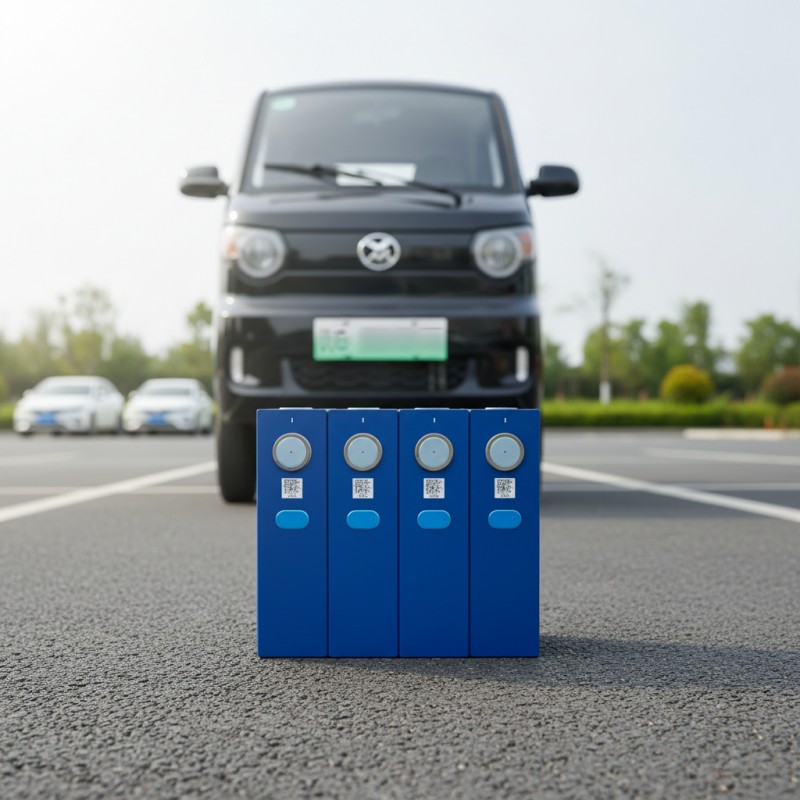
1. Production de véhicules électriques à deux roues, de véhicules électriques à trois roues, de véhicules électriques légers à basse vitesse et de mini-véhicules électriques compacts.
2. Recherche d'une conception légère et d'une autonomie accrue grâce à une densité énergétique plus élevée.
3. Véhicules fonctionnant dans des zones à température moyenne et élevée (0°C ~ 60°C), tirant parti de sa large plage de fonctionnement à haute température.
4. Produits pour véhicules électriques à cycle court sensibles aux coûts et batteries modulaires standardisées.
Les cellules LFP 3,2 V 100 Ah et 3,2 V 102 Ah sont toutes deux des solutions d'alimentation pour véhicules électriques éprouvées et fiables, sans supériorité absolue ; le choix dépend de la position réelle du véhicule et de son environnement d'utilisation.
La cellule 3,2 V 100 Ah est un modèle classique robuste et résistant au froid, offrant une durée de vie exceptionnelle et des performances optimales à très basse température. Elle est le choix idéal pour les voitures particulières de taille moyenne et grande, les véhicules utilitaires et les véhicules électriques dans les régions nordiques froides.
La cellule 3,2 V 102 Ah se caractérise par sa taille compacte, sa légèreté, sa densité énergétique élevée et une meilleure tenue aux hautes températures. Elle est particulièrement adaptée aux mini-véhicules électriques légers, aux véhicules électriques à deux ou trois roues et aux produits privilégiant le coût et l'autonomie.
Pour les concepteurs et les fabricants de véhicules électriques, préciser le positionnement du véhicule, son environnement d'exploitation, les contraintes d'espace et les exigences en matière de durée de vie permettra de choisir la cellule LFP la mieux adaptée pour équilibrer performance, coût et fiabilité.
Souhaiteriez-vous que je résume les principales différences dans un tableau comparatif concis pour une consultation rapide ?
FAQ
Cellules de batterie LFP 3,2 V 100 Ah vs 3,2 V 102 Ah pour véhicules électriques
Q1 : Quelles sont les principales différences entre les cellules LFP 3,2 V 100 Ah et 3,2 V 102 Ah ?
A : Les deux cellules partagent la même tension nominale de 3,2 V et les mêmes normes de sécurité de base, mais diffèrent considérablement par leur taille, leur poids, leurs performances électriques, leur résistance à la température, leur durée de vie et leur densité énergétique. La cellule de 100 Ah est fine, extrêmement résistante aux basses températures et possède une durée de vie très longue ; la cellule de 102 Ah est compacte, plus légère, offre une densité énergétique supérieure et est mieux adaptée aux environnements à haute température.
Q2 : Quelles sont les dimensions et les poids des deux cellules ?
A: 3,2 V 100 Ah (IFP-27175200A-100 Ah): Taille (27,5±0,8) mm × (175±0,6) mm × (200,4±0,6) mm, poids 2070 g ± 60 g.
3,2 V 102 Ah (IFP50160116A-102Ah) : Dimensions : 49,9 ± 0,5 mm × 160 ± 0,5 mm × 118,5 ± 0,5 mm, poids : 1 970 g ± 30 g. L’élément de 102 Ah est plus court, plus épais et plus léger.
Q3 : Quelle cellule présente une résistance interne plus faible et de meilleures performances énergétiques ?
A : La cellule 3,2 V 102 Ah présente une résistance interne en courant alternatif plus faible (0,27 à 0,4 mΩ). Elle génère une chute de tension moindre lors des décharges à courant élevé et offre un rendement énergétique supérieur. Les deux modèles ont une résistance interne en courant continu inférieure à 1,5 mΩ.
Q4 : Quelles sont les performances à basse température des deux cellules ? Laquelle est la mieux adaptée aux régions froides ?
A : La cellule 3,2 V 100 Ah offre des performances nettement supérieures à très basses températures. Elle conserve 85 % de sa capacité à 0 °C, 75 % à -10 °C, 70 % à -20 °C et 55 % à -30 °C. La cellule 102 Ah, quant à elle, ne conserve que 60 % de sa capacité à -10 °C et ses performances sont médiocres en dessous de -20 °C. La cellule 100 Ah est le choix idéal pour les véhicules circulant dans les régions extrêmement froides.
Q5 : Quelles sont les plages de température de charge et de décharge des deux batteries ?
A : 3,2 V 100 Ah : Charge 0 °C ~ 45 °C, décharge -30 °C ~ 45 °C.
3,2 V 102 Ah : Charge de 0 °C à 55 °C (charge interdite en dessous de 0 °C), décharge de -30 °C à 60 °C. La cellule de 102 Ah offre une plage de fonctionnement à haute température plus étendue.
Q6 : Qu’en est-il de la durée de vie cyclique et de la durée de vie calendaire ?
A : 3,2 V 100 Ah : 4000 cycles standard, 1500 cycles à haute température, durée de vie calendaire ≥ 10 ans.
3,2 V 102 Ah : 1500 cycles standard, 1000 cycles à haute température, durée de vie calendaire de 5 ans.
La cellule de 100 Ah présente des avantages évidents en termes de durabilité à long terme.
Q7 : Quelle cellule possède une densité énergétique plus élevée et une autonomie plus longue ?
A : La cellule 3,2 V 102 Ah possède une densité énergétique supérieure (≥ 168 Wh/kg contre environ 154,6 Wh/kg pour le modèle 100 Ah). À poids total égal, la cellule 102 Ah offre une autonomie plus importante.
Q8 : Les deux types de cellules LFP sont-ils sans danger pour les véhicules électriques ?
R : Oui. Les deux cellules ont subi une série complète de tests de sécurité rigoureux, notamment la surcharge, la décharge excessive, le court-circuit, l'extrusion, l'abrasion, la chute et l'immersion en eau de mer. Aucun incendie, explosion ou fuite de liquide ne s'est produit pendant les tests, ce qui garantit le respect total des normes de sécurité des batteries pour véhicules électriques.
Q9 : Quels sont les besoins de stockage pour les deux cellules ?
A : 3,2 V 100 Ah : Température de stockage optimale 0 à 30 °C (5 % à 50 % SOC), taux d'autodécharge sur 28 jours ≤ 4 %.
3,2 V 102 Ah : Température de stockage -30 °C à 45 °C (30 % à 50 % SOC), taux de récupération de capacité sur 28 jours ≥ 96 %.
Q10 : Quels scénarios conviennent à la cellule LFP 3,2 V 100 Ah ?
A : Il est idéal pour les voitures particulières, les poids lourds, les camions de logistique et les flottes de véhicules nécessitant une durée de vie de 8 à 10 ans. Il est également recommandé pour les véhicules électriques à châssis long et étroit ou pour ceux circulant dans des régions où les températures descendent en dessous de -20 °C.
Q11 : Quels scénarios conviennent à la cellule LFP 3,2 V 102 Ah ?
A : Il convient aux deux-roues, aux trois-roues, aux véhicules électriques légers à basse vitesse et aux mini-véhicules électriques compacts. C'est une excellente option pour les produits privilégiant la légèreté, une grande autonomie, un fonctionnement dans des environnements à températures moyennes et élevées, ou encore des batteries modulaires économiques.
Q12 : Comment choisir entre les deux cellules dans une application pratique ?
A : Choisissez la cellule 3,2 V 100 Ah si vous privilégiez une longue durée de vie, une résistance aux très basses températures et des performances stables pour les véhicules utilitaires et les véhicules circulant en régions froides. Optez pour la cellule 3,2 V 102 Ah si vous avez besoin d'un format compact, d'un poids léger, d'une densité énergétique élevée et d'une maîtrise des coûts pour les mini-véhicules électriques et les véhicules à cycle court.

Laissez un message
Scannez vers WeChat :

Hi! Click one of our members below to chat on